
Essential Landscaping Maintenance Tips for Beginners
Maintaining a beautiful landscape can feel overwhelming, especially if you are just starting out. However, with the right tips and techniques, you can keep your yard looking fantastic all year round. Landscaping involves more than just mowing the lawn – it includes creating a seasonal maintenance schedule, properly caring for your lawn, knowing how to prune and trim plants, and understanding the importance of mulch and soil health.
Creating a maintenance plan that considers the changing needs of your plants throughout the year is crucial. Different seasons bring different challenges and opportunities for maintaining your landscape. By staying on top of these changes, you can ensure that your yard remains healthy and attractive no matter the time of year.
In addition to seasonal upkeep, regular lawn care, and plant maintenance are essential. Knowing how to mow correctly, when to prune, and the benefits of mulching can make a huge difference in the health and appearance of your garden. By following these guidelines, you’ll be well on your way to achieving a lush, thriving landscape that you can be proud of.
Creating a Seasonal Maintenance Schedule
A seasonal maintenance schedule is essential for keeping your landscape in top shape throughout the year. Each season has its own set of tasks that need attention. In the spring, focus on cleaning up debris left from winter. Rake up fallen leaves, remove dead plants, and trim back perennials that have withered. This clean-up will give your garden a fresh start and prepare it for new growth.
In the summer, watering is key. As temperatures rise, it’s important to keep your plants and lawn well-hydrated. Early morning is the best time to water, as it minimizes evaporation and helps the plants absorb the moisture. During the fall, focus on preparing your landscape for the colder months. This includes raking fallen leaves, mulching flower beds, and planting fall flowers. Winter is a time for minimal maintenance, but you should still keep an eye on snow and ice accumulation that could damage trees and shrubs.
Tips for Proper Lawn Care
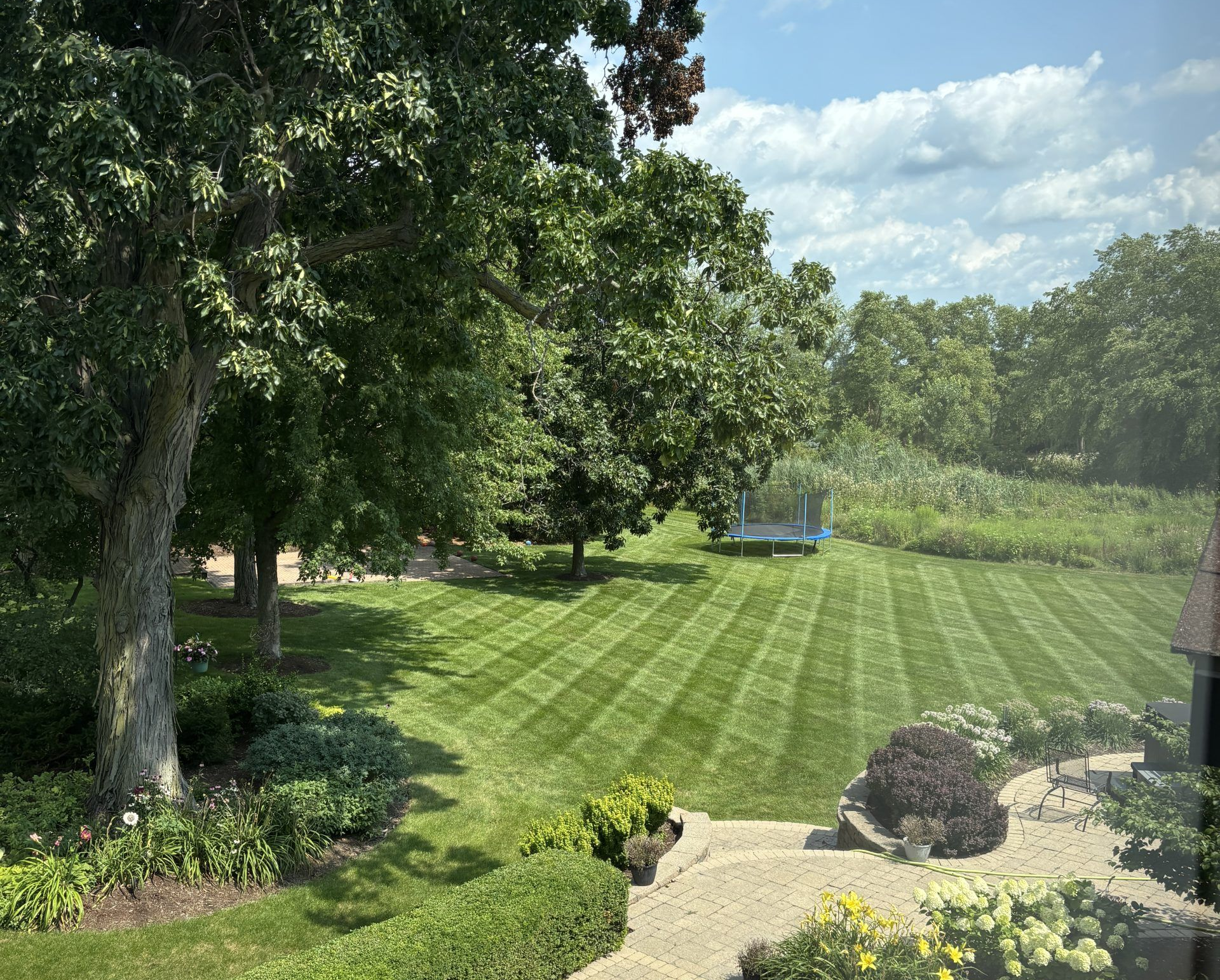
Proper lawn care is crucial to maintaining a lush, green yard. Start with regular mowing. Your lawn should be mowed at the correct height based on the type of grass you have. Cool-season grasses like fescue should be kept at about three inches, while warm-season grasses like Bermuda can be cut shorter. Always use a sharp mower blade to avoid tearing the grass, which can cause stress and lead to disease.
Watering is another important aspect of lawn care. A deep, infrequent watering schedule encourages deep root growth, which makes the grass more drought-resistant. Aim to water your lawn early in the morning, allowing the grass to dry throughout the day. This helps prevent fungal growth. Additionally, fertilize your lawn at least twice a year – in the spring and fall. Follow the specific instructions for your type of grass to ensure it gets the right nutrients. Finally, aerate your lawn once a year to relieve soil compaction and improve water and nutrient absorption. Aeration involves poking small holes in the soil to allow air, water, and nutrients to reach the grass roots.
Pruning and Trimming Best Practices
Pruning and trimming are essential for the health and appearance of your trees and shrubs. Pruning helps remove dead or diseased branches, encourages new growth, and maintains the plant’s shape. It’s important to know when and how to prune different plants. For most trees and shrubs, late winter or early spring is the best time to prune before new growth starts. Some flowering plants, however, should be pruned right after they bloom.
When pruning, always use sharp tools to make clean cuts. Start by removing any dead or diseased branches. Then, thin out any crowded areas to increase air circulation and light penetration. Be mindful of the plant’s natural shape and prune to maintain its form. For trimming hedges, regular maintenance is key to keeping them neat. Trim new growth after each flush to maintain the desired shape and size.
Mulching and Soil Health Essentials
Mulching is a simple yet effective way to improve your soil’s health and keep your landscape looking tidy. Mulch helps retain soil moisture, suppress weeds, and regulate soil temperature. Organic mulches, such as wood chips, straw, or compost, also add nutrients to the soil as they decompose.
To mulch your garden beds, spread a layer of mulch about two to three inches thick around your plants. Be sure to keep the mulch a few inches away from the stems and trunks to prevent rot. It’s also important to replenish the mulch as it breaks down over time.
Healthy soil is the foundation of a thriving landscape. Regularly test your soil to determine its pH and nutrient levels. Based on the results, add the necessary amendments to improve soil quality. Compost is a great addition to any soil, as it enriches the soil with organic matter and improves its structure. Healthy soil promotes strong root growth, which is crucial for the overall health of your plants.
Conclusion
Maintaining a beautiful landscape doesn’t have to be overwhelming, even for beginners. By creating a seasonal maintenance schedule, practicing proper lawn care, pruning and trimming regularly, and focusing on mulching and soil health, you can keep your yard looking its best throughout the year. These essential landscaping maintenance tips provide a solid foundation for a thriving outdoor space.
At Bright Green Landscapes, we are dedicated to helping you achieve the landscape of your dreams. Whether you need expert advice or professional commercial landscape maintenance, we are here to assist you. Contact Bright Green Landscapes today to learn more about how we can support you in maintaining a stunning and healthy yard.
RECENT POSTS
Find Inspiration for Your Bright Green Landscape