

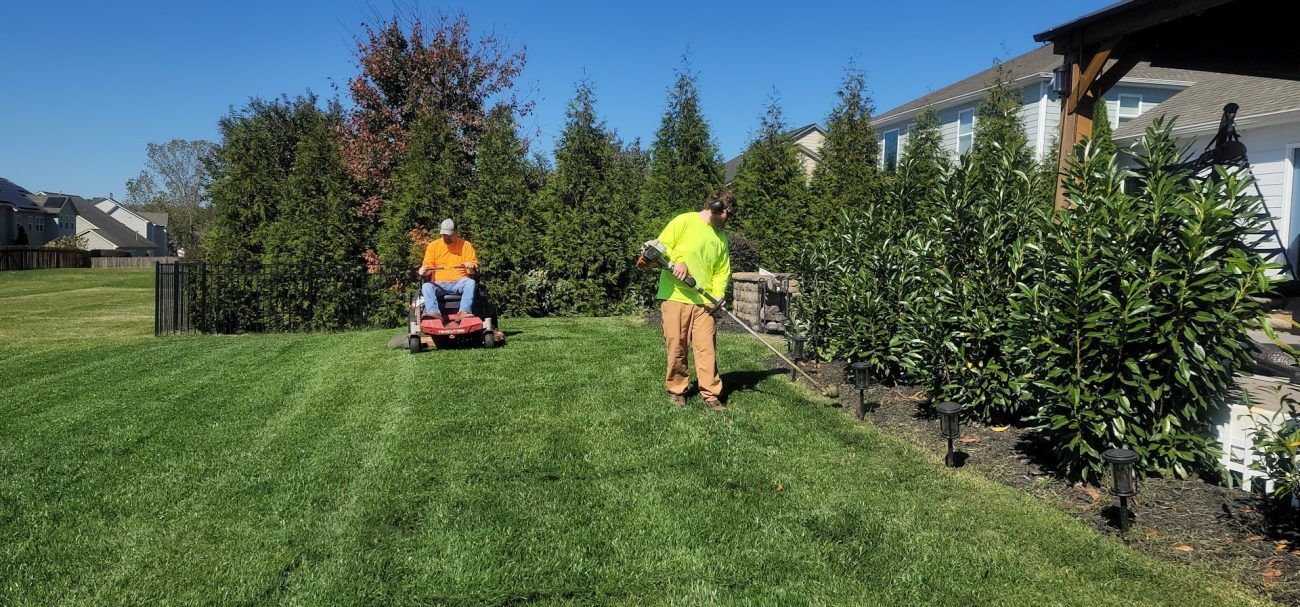
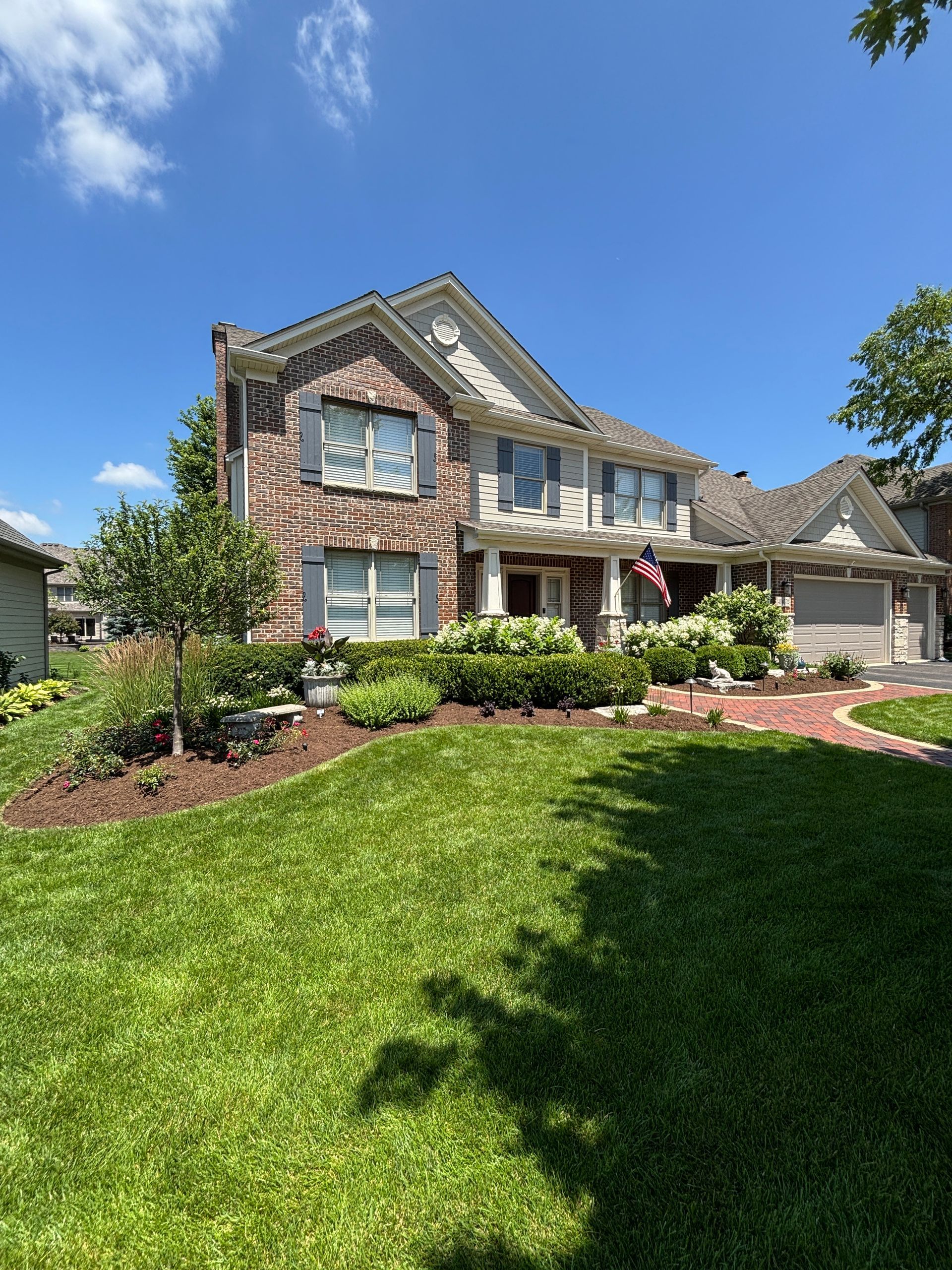
A beautiful landscape can completely transform the appearance of your home. Fresh mulch, neatly trimmed shrubs, defined landscape beds, and well-maintained plants all contribute to curb appeal and an inviting outdoor space. However, keeping your landscaping looking its best from spring through fall requires consistent attention, proper timing, and ongoing maintenance. For homeowners in Elgin, St. Charles, and Campton Hills, Illinois , investing in a seasonal landscape maintenance package is one of the most convenient ways to protect your landscaping investment while eliminating the stress of scheduling individual services throughout the year. At Bright Green Landscapes , we specialize in professional residential landscape maintenance throughout the Fox Valley and surrounding Chicagoland communities. Our Gold and Platinum seasonal maintenance packages are designed to simplify landscape care, provide priority scheduling, and keep your property looking professionally maintained throughout the growing season. Here's why a seasonal landscape maintenance package may be one of the smartest decisions you make for your property. 1. Protect Your Landscaping Investment Whether you've recently completed a landscape renovation or spent years developing your outdoor space, your landscaping represents a valuable investment in your home. Without proper maintenance, even the most beautifully designed landscapes can begin to lose their appearance. Overgrown shrubs, weeds, accumulated debris, and neglected landscape beds can quickly diminish curb appeal. Routine landscape maintenance helps protect that investment by addressing these issues before they become overwhelming. Professional maintenance services may include spring and fall cleanups, shrub trimming, weed removal, pre-emergent weed prevention treatments, landscape bed edging, and fresh mulch installation. In Northern Illinois, changing weather conditions make seasonal maintenance especially important. A well-maintained landscape is better prepared for spring growth, summer heat, and the transition into winter. Your landscaping is an investment worth protecting, and consistent maintenance helps preserve its beauty for years to come. 2. Save Time and Eliminate the Hassle of Scheduling Landscaping Services One of the biggest advantages of enrolling in a seasonal landscape maintenance package is convenience. Think about everything that goes into maintaining your landscaping throughout the year. Spring arrives, and you need a property cleanup, bed edging, and fresh mulch. By early summer, weeds begin appearing and shrubs need trimming. As fall approaches, leaves and seasonal debris begin accumulating. Without a maintenance package, homeowners are left making multiple phone calls, requesting estimates, and coordinating separate service appointments. With a seasonal maintenance package from Bright Green Landscapes, your services are planned ahead of time with a prearranged schedule for the entire season. One estimate outlines your seasonal services and pricing, eliminating the need to repeatedly contact a landscaping company throughout the year. This convenience is especially valuable for busy families, retirees, frequent travelers, and homeowners who simply want to spend less time worrying about landscaping. Instead of managing your maintenance schedule, you can enjoy your outdoor space knowing your property is already included in our seasonal service planning. 3. Enjoy Priority Scheduling During the Busy Landscaping Season If you've ever tried scheduling landscaping services in Elgin or St. Charles during the spring rush, you know how quickly contractors' schedules can fill up. Spring cleanups and mulch installation are among the most requested landscaping services in Northern Illinois. Waiting until the season is underway can mean longer lead times and fewer scheduling options. One major advantage of becoming a Bright Green Landscapes maintenance package customer is priority scheduling throughout the season . Our package customers receive a prearranged seasonal maintenance schedule, helping us plan service visits in advance. Because we operate on a first-come, first-served scheduling system, enrolling early is beneficial. Although service dates remain dependent on weather conditions, having a maintenance package helps eliminate much of the uncertainty of booking individual appointments. For homeowners who appreciate dependable, organized landscape care, this benefit alone can make a seasonal maintenance package worthwhile. 4. Keep Your Landscaping Looking Beautiful From Spring Through Fall Landscaping doesn't stop growing after your spring cleanup. Throughout the season, shrubs continue to grow, weeds emerge, mulch settles, and debris accumulates in landscape beds. Without consistent care, a property that looked beautiful in May may begin looking overgrown by July. That's why regular landscape bed maintenance is important. For homeowners in Campton Hills, St. Charles, and Elgin, IL , professional seasonal maintenance helps keep landscaping clean, polished, and attractive throughout the growing season. Routine maintenance can include removing weeds, trimming overgrown shrubs, redefining bed edges, and cleaning up accumulated debris. Instead of allowing maintenance needs to pile up, scheduled visits help keep your property looking its best.

Learn the best time to aerate and overseed your lawn in Northern Illinois, why fall works best, and how to help new grass establish.